Descriptive — what has happened?
Gather the data and know what happened and what is happening. This is a passive analysis in the sense that you only gather data and take no action.

Gartner identifies four main types of analysis. The prescriptive one is where operations research turns a forecast into a decision.
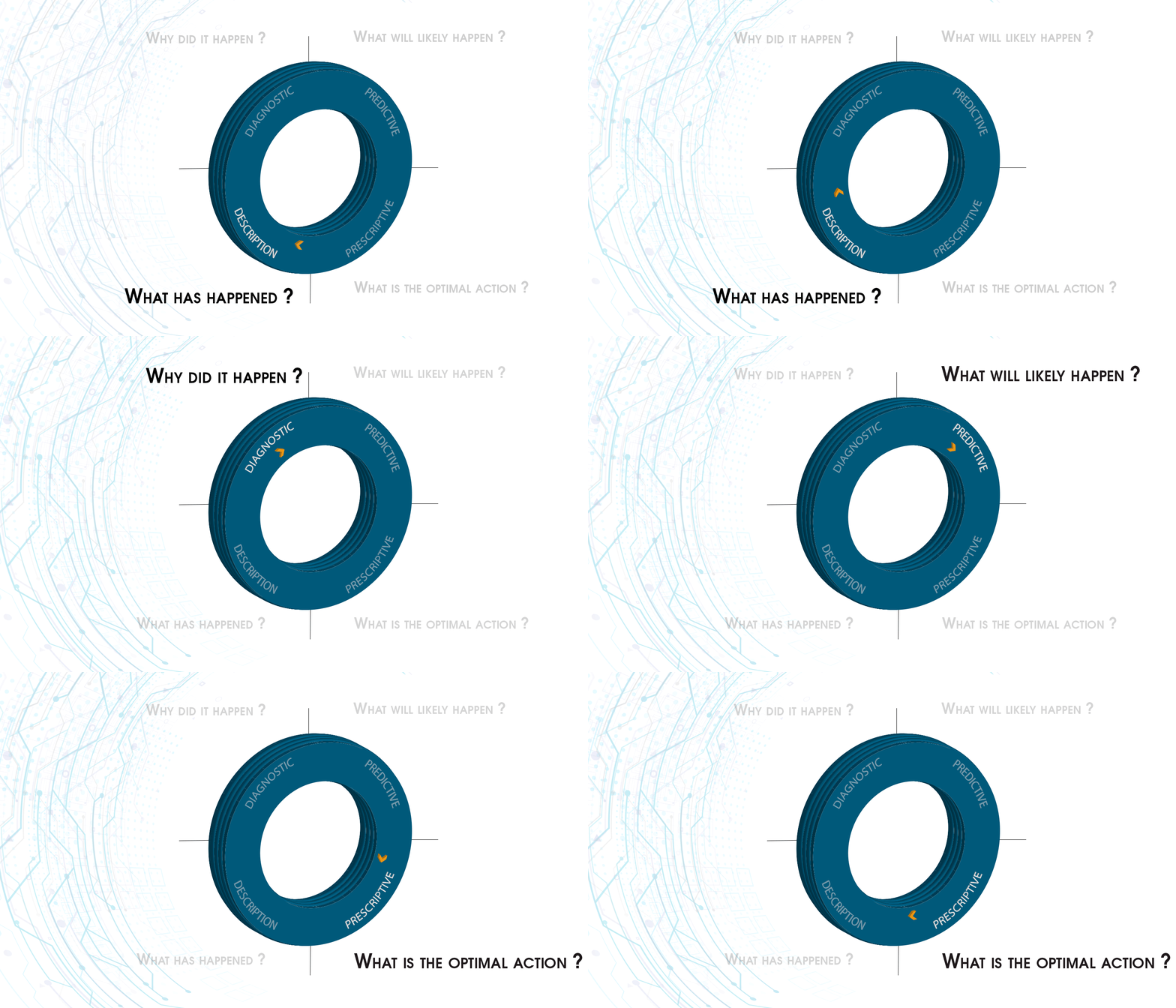
Gartner identifies four main types of analyses (see the 2017 Planning Guide for Data and Analytics). The distinction between them is somewhat arbitrary and they are better considered as combined and constantly interacting.
See our use cases for what this looks like in practice.
Gather the data and know what happened and what is happening. This is a passive analysis in the sense that you only gather data and take no action.
Try to understand why what happened happened. This step helps you get some insights about your processes and correct them if needed. This analysis is active because you try to understand and change your processes.
Try to predict the uncertain future based on your past and current knowledge. This is where machine learning enters the picture. This analysis is also passive in the sense that you only predict the future but do not interfere with it.
Now that we can forecast what is likely going to happen, let's try to change the future for the better. This is mainly done with operations research: a pro-active analysis where you use analytical tools to help you make decisions.